

Every smile tells a story—a journey of transformation and renewal. When it comes to restoring both functionality and aesthetics, dental implants offer a modern solution designed with precision in mind. This article takes you through every step of the process, from your initial consultation to long-term care, ensuring that each phase is understood clearly.
The first step begins with an in-depth assessment where experienced professionals determine the best course for each individual case. By tailoring treatment plans to meet specific needs, patients can be reassured that their journey toward a new smile will be both comfortable and effective. With advanced techniques and modern technology guiding every procedure, the process is not only about restoring teeth but also enhancing overall quality of life.
As we explore each stage—from surgical precision in implant placement to navigating the recovery period—the goal is to equip readers with comprehensive knowledge that demystifies dental implants. This resourceful guide aims to transform uncertainty into confidence, ensuring that every patient can make informed decisions about their oral health care.
Embarking on Your Journey to a Perfect Smile
Dental implants have revolutionized the field of dentistry by offering a permanent solution for missing teeth. Unlike traditional dentures or bridges, dental implants are designed to mimic the structure and function of natural teeth, providing a stable foundation that supports not just your smile but also your overall well-being.
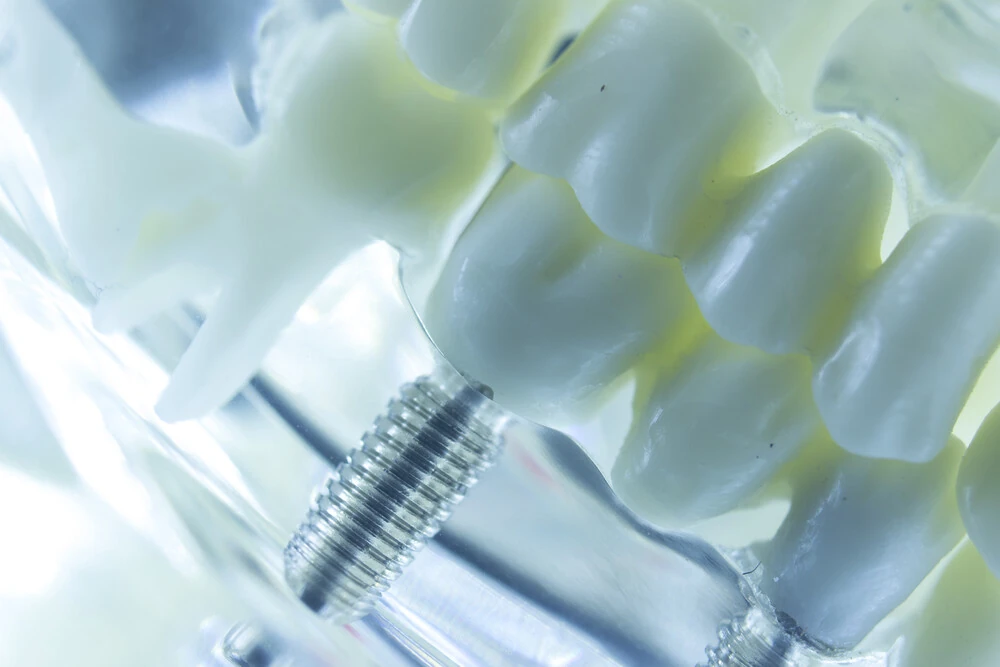
At their core, dental implants consist of three main components: the implant post, the abutment, and the crown. The implant post is surgically placed into the jawbone, serving as an artificial root. Once integrated with the bone through a process called osseointegration, the abutment is attached to connect the implant post to the custom-made crown. This final piece is crafted to match the color, shape, and size of your existing teeth, ensuring a seamless blend that enhances both aesthetics and functionality.
One of the standout advantages of dental implants is their longevity. With proper care and maintenance, they can last for decades, making them an investment in long-term oral health. Additionally, dental implants help preserve bone density by stimulating the jawbone, preventing the deterioration that often occurs with tooth loss. This not only maintains facial structure but also supports overall oral health.
Consultation: The First Step Towards Your New Smile
The journey to a perfect smile begins with an initial consultation, where patients meet with dental professionals to discuss their needs and expectations. During this phase, a thorough assessment is conducted to evaluate the suitability of dental implants for each individual case.
Several factors are considered during the consultation process, including the patient's overall health, the condition of the jawbone, and any pre-existing medical conditions that may affect treatment. Advanced imaging techniques, such as 3D scans or CBCT (Cone Beam Computed Tomography), provide detailed insights into the jaw structure, allowing for precise planning and accurate implant placement.
Once the assessment is complete, a personalized treatment plan is developed to address specific needs and goals. This plan outlines every step of the process, from surgical procedures to post-operative care, ensuring that patients are well-informed and prepared for what lies ahead. By fostering open communication and addressing any concerns upfront, this consultation sets the foundation for a successful and satisfying dental implant journey.
Surgical Precision: The Art of Implant Placement
The surgical phase of dental implants is where modern techniques and advanced technology come into play. This process involves several key steps designed to ensure comfort, safety, and precision throughout the procedure.
The first step in implant placement is the creation of an incision in the gum tissue to expose the underlying bone. Once the bone is visible, a small hole is drilled to accommodate the implant post. This step requires careful attention to detail to ensure that the implant is positioned correctly within the jawbone.
After the implant post is securely placed, the gums are sutured closed around it. In some cases, a temporary crown may be attached to the abutment during this phase, allowing patients to leave with a functional and aesthetically pleasing smile while the permanent crown is being crafted. Following the surgery, patients receive detailed instructions on post-operative care, including pain management strategies and dietary guidelines to support healing.
Recovery: Navigating Post-Surgery Care
The recovery process following dental implant surgery is a critical phase that requires careful attention to detail. Understanding what to expect during this period can help patients navigate post-operative care with confidence and ease.
Immediately after the procedure, it's normal to experience some swelling, discomfort, and minor bleeding around the surgical site. To manage these symptoms, patients are often prescribed pain medication and advised to apply ice packs to the affected area for short intervals. Maintaining good oral hygiene is essential during recovery, so gentle rinsing with a warm saltwater solution can help keep the mouth clean without disrupting the healing process.
In addition to managing discomfort, patients should adhere to specific dietary guidelines designed to support healing. For the first few days following surgery, it's best to consume soft foods that require minimal chewing, such as soups, yogurt, and mashed potatoes. Gradually reintroducing firmer foods as comfort levels improve can help promote a smooth transition back to normal eating habits.
Long-Term Benefits: Beyond Just a Smile
The advantages of dental implants extend far beyond restoring functionality and aesthetics—they also contribute significantly to overall quality of life. By providing a stable foundation for artificial teeth, implants enable patients to enjoy activities they may have previously avoided due to concerns about denture slippage or discomfort.
Dental implants offer several long-term benefits that make them an attractive option for those seeking a permanent solution to missing teeth. One key advantage is their durability; with proper care and regular dental check-ups, implants can last for many years, often decades. This longevity makes them a cost-effective investment in oral health.
Another significant benefit of dental implants is their ability to preserve bone density. Unlike traditional dentures or bridges, which rest on the gums or adjacent teeth, implants are anchored directly into the jawbone. This stimulation helps maintain bone structure and prevents deterioration that can occur with tooth loss. By preserving facial contours and supporting overall oral health, dental implants enhance not just smiles but also confidence.
Your Next Steps
If you're considering dental implants as a solution for missing teeth, the journey to a perfect smile begins with a consultation at Precious Smiles Family Dentistry. Our experienced team is dedicated to providing personalized care tailored to your unique needs and goals. Contact us today to schedule an appointment and take the first step toward restoring both functionality and aesthetics with confidence.