
Getting your wisdom teeth removed can feel intimidating, but knowing what to expect can make the process much easier. At Precious Smiles Family Dentistry, we believe that patient education is key to a comfortable experience. Here’s an overview of why wisdom teeth sometimes need to come out for your healthiest smile, and what you can expect before, during, and after the procedure.
Why Wisdom Teeth May Need Removal
Wisdom teeth, also called third molars, usually emerge in the late teens or early twenties. While some people have enough space in their mouths to accommodate them, many experience problems such as:
- Impaction. Teeth that grow in at an angle or remain trapped beneath the gum line.
- Tooth Crowding. New teeth can push existing teeth out of alignment.
- Tooth Decay or Infection. Wisdom teeth are located in the back of the mouth, making them harder to clean and more prone to cavities or gum infections.
Your dentist may recommend removal if your wisdom teeth are causing pain, threatening oral health, or likely to cause problems in the future.
Preparing for Wisdom Teeth Removal
Before your procedure, your dentist will:
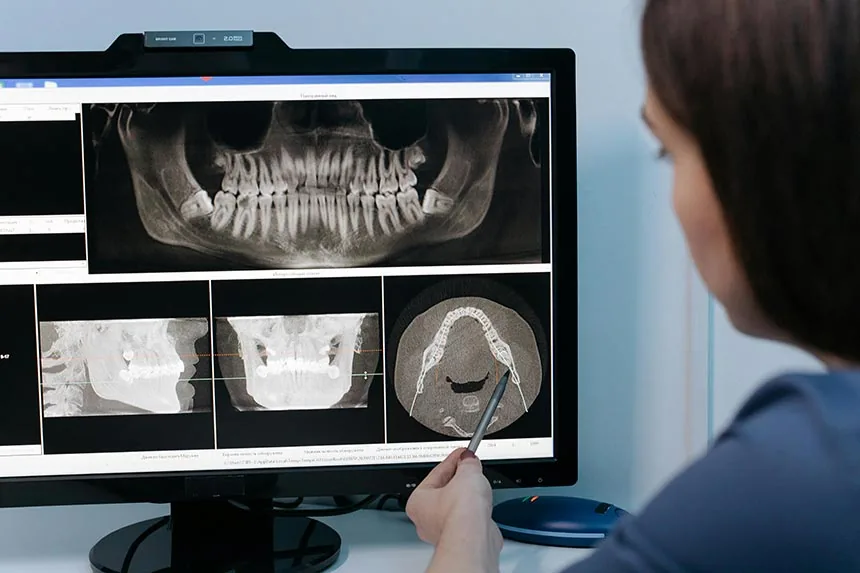
- Take X-rays to assess your wisdom tooth positioning and plan the best approach.
- Discuss anesthesia options, including local, sedation, or general anesthesia, depending on your needs and comfort level.
- Provide pre-surgery instructions, such as fasting or arranging transportation, since you may not be able to drive afterward.
- Being prepared helps ensure the procedure goes smoothly and reduces anxiety.
What Happens During the Procedure
On the day of your wisdom tooth extraction, you can expect:
- You’ll receive anesthesia to keep you comfortable and pain-free.
- The dentist will make a small incision if needed to access impacted teeth.
- Teeth may be removed in sections if necessary, and the area will be cleaned to prevent infection.
Stitches may be placed to help the gums heal properly. Most procedures are completed relatively quickly and allow the patient to return home afterward.
Wisdom Tooth Recovery and Aftercare
Proper aftercare is essential to a smooth recovery. Here’s what to expect:
- Mild Swelling and Discomfort. Some swelling, bruising, or mild pain is normal and can be managed with ice packs and prescribed pain relief.
- Temporary Diet Adjustments. Soft foods like yogurt, applesauce, and mashed potatoes are recommended for the first few days. Avoid hot, crunchy, or sticky foods.
- Proper Oral Hygiene. Keep your mouth clean with gentle rinsing. Avoid vigorous brushing near the extraction site until your dentist advises it’s safe.
- Follow-Up Visits. Your dentist may schedule a follow-up to check healing and remove stitches, if necessary.
Recovery for wisdom tooth removal usually takes about a week to ten days, though everyone heals at their own pace.
Tips for a Smooth Recovery
Our dentist recommends the following recovery tips
- Rest. Allow your body time to heal and avoid strenuous activity for a few days.
- Stay Hydrated. Drink plenty of water, but avoid using straws as suction can disturb healing.
- Follow Instructions. Carefully follow your dentist’s guidance on pain management, diet, and oral care to prevent complications like dry socket or infection.
- Monitor for Concerns. Contact your dentist if you experience severe pain, heavy bleeding, or signs of infection.
Protect Your Smile and Your Health
Wisdom teeth removal is a common procedure that, when done properly, can prevent pain and preserve the health of your smile. By understanding the process and following aftercare instructions, you can recover comfortably and safely.
At Precious Smiles Family Dentistry, we’re here to guide you through every step of your dental care. From pre-surgery preparation to post-procedure recovery, our team is dedicated to making your experience as comfortable and stress-free as possible, so you can focus on smiling with confidence.